
Download PDF (English, Chinese)
50 Years of Trials and Tribulations: Part I — A Brief Retrospective on the Development of Intelligent Compaction (5)
(6) The 2020s:
Since the beginning of 2020, the term “Intelligent Compaction” has gained widespread recognition. Theoretically, a transition has been completed—moving from “Continuous Compaction” to “Intelligent Compaction.” Practically, construction automation—spearheaded by unmanned rollers—has begun to emerge; this trend is set to drive the practical implementation of advanced intelligent compaction technologies, as well as the R&D and advancement of intelligent rollers endowed with autonomous learning and adaptive capabilities, thereby stimulating the broader development of engineering automation.
• In China, roller manufacturers such as XCMG and Sany Heavy Industry have successively launched fleet-based solutions for unmanned (i.e., automated) construction operations, which have begun to see experimental and small-scale application in transportation infrastructure projects.
• In the United States, the field of automated construction was pioneered by Caterpillar Inc.
• In Germany, BOMAG has begun to enter the automated construction sector.
• Small-scale rollers equipped with autonomous driving capabilities (primarily remote-controlled) have seen significant development; they are now being deployed in specialized terrain and are demonstrating a growing trend toward integration with intelligent compaction systems.
• Since 2023, the U.S. FHWA and TPF have continued to promote the web-based version of the Veta software (VetaCenter). This initiative integrates intelligent compaction with other smart construction technologies—such as real-time monitoring of fill material transport and continuous measurement of asphalt pavement temperature and dielectric constant—to enhance construction efficiency, safety, and quality.
• In China, information platforms within the transportation infrastructure sector have reached a stage of maturity. Research is currently underway on comprehensive data analysis and utilization, as well as the application of “Digital Twin” technologies, all aimed at providing support throughout the entire lifecycle of infrastructure assets.
• In 2026, the Chinese and English editions of the book *Pioneers of Intelligent Construction: Intelligent Compaction* were published simultaneously. Authored by members of the ISIC, the book focuses primarily on advanced intelligent compaction technologies (Level 3 and above), thereby laying a solid foundation for the global dissemination and adoption of intelligent compaction techniques. The Chinese edition was published by China Railway Publishing House, while the English edition was published by Springer. This volume also serves as a key installment in the “Frontiers of Intelligent Construction Technologies for Transportation Infrastructure” series. • In 2026, the ISIC Executive Committee plans to leverage the 50th anniversary of intelligent compaction as an opportunity to globally popularize and promote the concept of advanced intelligent compaction, thereby driving the development of automated construction and the implementation of related technologies.
Commentary:
For earthworks and embankment projects, the primary manifestation of intelligent construction is intelligent compaction. As a pioneer in the intelligent construction of transportation infrastructure—and despite current applications of intelligent compaction not yet perfect—this technology has blazed a trail for intelligent construction and is poised to drive the advancement of engineering automation. Viewed through the lens of the four fundamental characteristics of intelligent compaction (sensing, analysis, decision-making, and execution), the “execution” component is currently the most active area of interest; specifically, automated rolling (automated execution) is emerging as a focal point of attention across various sectors. The concept of “automated rolling” carries a dual significance: first, it refers to the autonomous driving of road rollers—a technology derived from automotive autonomous driving systems—which enables the roller to automatically execute compaction operations along a prescribed route; second, it entails the road roller automatically performing compaction quality control and adjusting process parameters in accordance with relevant instructions. While the autonomous driving capabilities of road rollers have reached a high level of maturity, the ability to automatically adjust compaction process parameters remains underdeveloped, often regressing to a simpler mode focused primarily on controlling parameters such as the number of passes and rolling speed. The root cause of this limitation is closely tied to the technological maturity of the intelligent compaction system employed; only systems using Level 3 (L3) technology or higher can meet this requirement. (Naturally, a prerequisite for this capability is that the road roller itself must be equipped with a sufficient array of adjustable parameters; for further details, please refer to the *Intelligent Compaction* volume within this book series.) This topic will be further elaborated upon in subsequent articles.
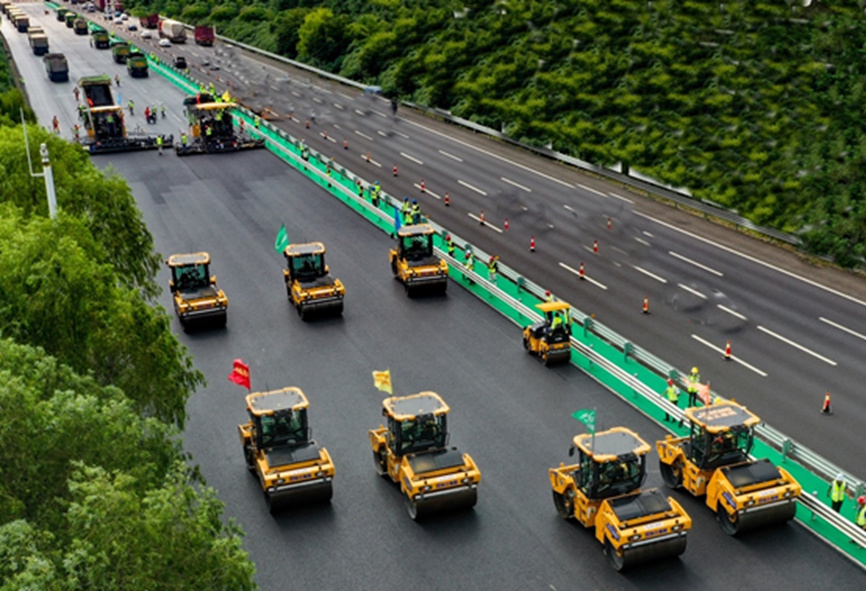
Figure 1: Automated Rolling Operation (1)
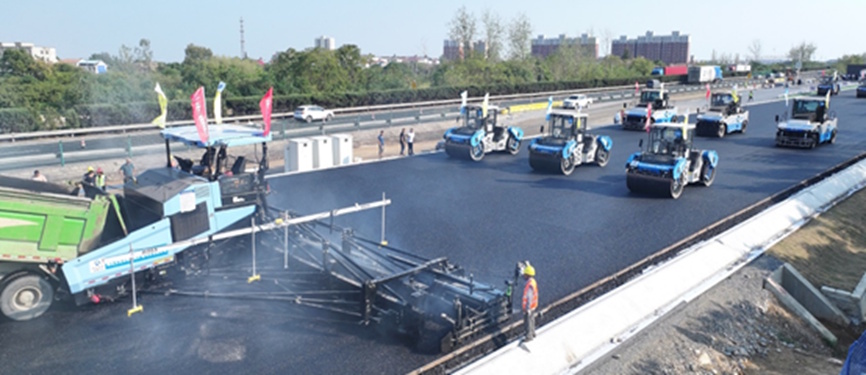
Figure 2: Automated Rolling Operation (2)
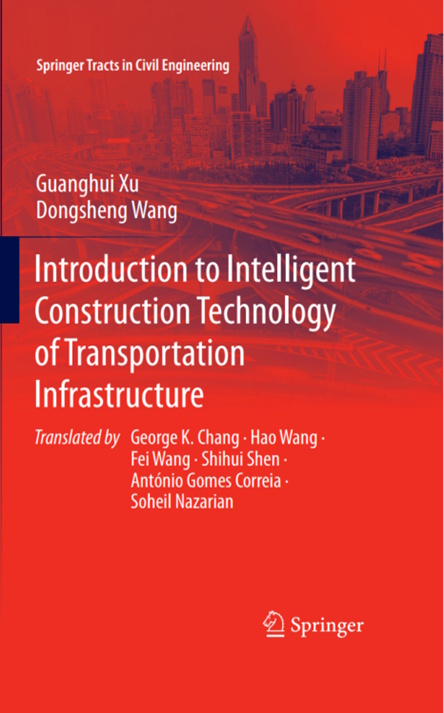
Figure 3: *Introduction to Intelligent Construction Technologies for Transportation Infrastructure*
Click the link below to purchase the book.
- The copies are available for purchase in softcover, hardcover, and eBook (PDF and ePub).
- Download the front matter in PDF
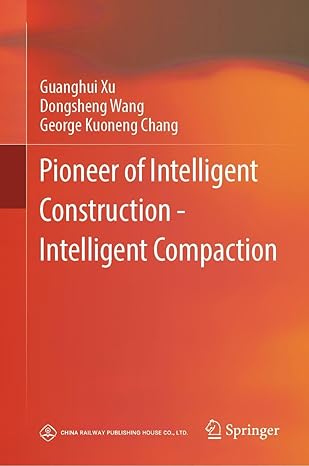
Figure 3: *Pioneers of Intelligent Construction: Intelligent Compaction*
Click the link below to purchase the book.