
Download PDF (English, Chinese)
Demystifying Intelligent Compaction Part 1: Introduction—What Is Intelligent Compaction? (2)

3. Scope of Work for the Control System
Intelligent compaction represents an enhanced process control method introduced during the rolling operation; its objective is to ensure effective outcome control through rigorous process control, thereby comprehensively improving the performance of the constructed fill structure. Its scope of work focuses on the rolling process itself, as illustrated in Figure 3.
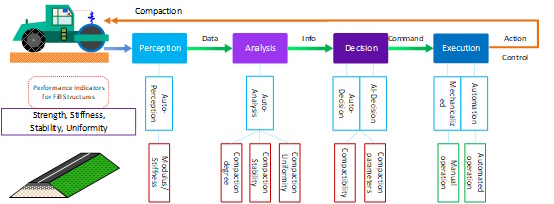
Figure 3: Basic Scope of Work Encompassed by Intelligent Compaction
Based on the fundamental characteristics of intelligent compaction, the control system facilitates comprehensive monitoring of the rolling surface, fill materials, and roller operational parameters during the rolling process. The specific tasks involved (which, in essence, constitute the functions of the intelligent compaction control system) are as follows:
- Automatically sensing the modulus/stiffness information of the fill structure;
- Automatically analyzing key control parameters, such as the degree of compaction, compaction stability, and compaction uniformity;
- Automatically or intelligently making decisions regarding whether changes have occurred in the compactability of the fill material or in the compaction process parameters;
- Guiding or controlling the roller to execute rolling operations in accordance with the decision-based instructions;
- Guiding manual labor or mechanical equipment to improve the fill material (if necessary).
It should be noted that the scope of work outlined in Figure 3 represents only the basic requirements. With advances in technology, numerous new techniques have been integrated into the system, further enhancing its capabilities. Foremost among these is satellite positioning technology, which enables the real-time, high-precision sensing of the roller’s position (x, y, z); this is particularly valuable for precisely identifying locations (x, y) where compaction is non-uniform. Furthermore, by monitoring changes in the vertical coordinate (z), it is possible to roughly control the thickness of the fill layer (this is feasible for subgrades and base courses, though for asphalt pavements—given their significantly thinner layer thickness—the control accuracy is subject to a larger margin of error).
The operational tasks of intelligent compaction are undertaken by the control system. This system is integrated directly into the roller and constitutes a comprehensive synthesis of hardware and software—incorporating both electronic hardware technologies and multidisciplinary software-based techniques. Historically, this system has been a primary focus for manufacturers; naturally, it should also be a subject that both developers and end users fully understand.
4. Technologies Involved in Intelligent Compaction
Although intelligent compaction draws on knowledge from a wide array of disciplines, by following the conceptual framework of “Sensing, Analysis, Decision-making, and Execution,” one can systematically delineate the technologies required for the process and clarify their specific roles within the system, as illustrated in Figure 4.
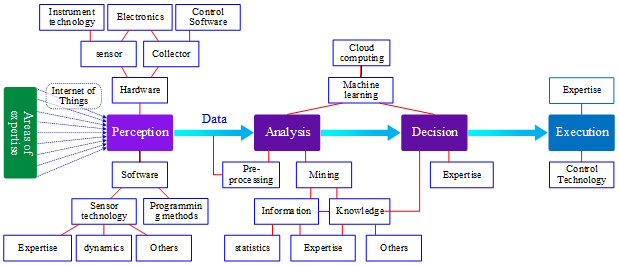
Figure 4: A Breakdown of Technologies Involved in Intelligent Compaction
(Adapted from *Intelligent Compaction*)
In Figure 4, the “Sensing” component encompasses a wide array of technologies. At its hardware core lie sensors and data acquisition units—collectively referred to in modern practice as “sensing terminals.” These terminals are tasked with various functions, including the acquisition, analog-to-digital conversion, storage, and transmission of diverse data streams (such as compaction data, positional data, and temperature data). Sensing terminals possess a high degree of versatility; they constitute a “common technology” applicable not only to intelligent compaction but to any scenario requiring data acquisition. The operation of these sensing terminals is driven by software (specifically, system software or embedded software). Furthermore, sensing terminals require specialized software that translates perceived physical quantities into the specific physical parameters required for analysis (e.g., converting vibration responses into modulus or stiffness values). This aspect falls under the category of “specialized technology,” requiring expertise in dynamics and domain-specific engineering knowledge (e.g., highways, railways, airports, urban roads). Peripheral technologies supporting this system include the Internet of Things (IoT), wireless communication, and satellite positioning. Currently, the focus of most instrument manufacturers and vendors remains largely concentrated on the sensing terminal component.
The “Analysis and Decision-Making” component incorporates both “common technologies” (such as machine learning algorithms) and “specialized technologies” (specifically, compaction quality analysis and the formulation of compaction strategies). This component relies heavily on domain-specific expertise, a subject that will be explored in greater detail in subsequent articles.
The “Execution” component primarily involves specialized engineering techniques and construction machinery technologies—classifying it as a “specialized technology,” whereas the underlying control technology is considered a “common technology.” With the rise of construction automation, automated intelligent rollers are emerging as a frontier in the development of construction machinery. This trend raises a series of critical questions—such as how to design and adjust compaction process parameters—which will be the exclusive focus of future articles.
It is worth noting that the technologies outlined in Figure 4 represent the very same technological landscape that underpins “Intelligent Construction” as a whole. These technologies exhibit both a systemic interconnectedness and a certain degree of independent autonomy; for further details, readers are encouraged to consult the *Introduction* volume of this book series.
A Side Note: There was a time when any mention of “Intelligent Construction” would invariably trigger discussions regarding the Internet of Things (IoT), Big Data, Cloud Computing, Building Information Modeling (BIM), and similar concepts, with many of these technologies constituting the actual architectural framework of Intelligent Construction. These technologies have no significant direct correlation to Intelligent Construction, nor do they constitute its indispensable core components. Readers are invited to independently analyze the reasons behind this distinction, using Figure 4 as a reference. For instance, intelligent compaction serves as a microcosm—and indeed a pioneer—of intelligent transportation infrastructure construction; however, effective compaction quality control can still be achieved without these so-called “trendy” technologies.